CyberSecurity The SOC Platform Decision Is Moving Beyond Endpoint Vendor moves and practitioner signals show SOC buyers now care more about operational context, automation, and platform depth than EDR alone.
CyberSecurity AI-Speed Attacks Are Changing Detection Priorities This week’s threat signals show why SOC teams need faster context, better telemetry joins, and detection logic built for AI-speed exploitation.
CyberSecurity Why SOC Teams Are Rethinking Endpoint-First Platforms Vendor movement and practitioner sentiment show the SOC buying decision is shifting from endpoint strength to platform depth, context, and operational fit.
CyberSecurity What Platformization Really Means for Security Operations This week’s threat and AI signals show why SOC modernisation now depends on unified data, automation, and platform design—not more stitched tools.
CyberSecurity Why Defenders Need Faster Context, Not More Alerts AI-speed exploitation, ransomware growth, and supply-chain pressure are shrinking defender response windows and exposing weak SOC workflows.
CyberSecurity The SOC Platform Battle Is Moving Beyond Endpoint CrowdStrike, Microsoft, Splunk and Google SecOps signals all point to the same shift: SOC buyers now need platform depth, not just endpoint strength.
CyberSecurity Machine-Speed Threats Are Exposing the Modern SOC Gap This week’s AI-driven threat signals show why SOC transformation now depends on better data, automation, and platform design.
CyberSecurity Machine-Speed Exploitation Is Now a Detection Problem AI-assisted exploits, ransomware staging, and supply-chain compromise are shrinking SOC response windows. Detection needs to move faster.
CyberSecurity Featured State of the SOC Market CrowdStrike double-spend tensions, SentinelOne winning Kaspersky replacements, and Microsoft training the next SOC generation — here's what the market is saying this week.
CyberSecurity Featured The AI Supply Chain Just Got Breached -- And Your Agents Are the Attack Surface The Hugging Face and ClawHub breach exposed 575+ malicious AI skills. Here's why the AI supply chain is now a first-class attack surface -- and how Prisma AIRS addresses it.
CyberSecurity What is Cortex XSIAM? Palo Alto Networks' Unified SOC Platform Explained Cortex XSIAM explained: what it is, how it solves the SOC complexity problem, and why it delivers a 257% ROI. Written by a PAN Domain Consultant who presents it daily.
CyberSecurity EDR vs XDR vs SIEM: What's the Difference and Which Do You Need? EDR, XDR, and SIEM explained side by side -- how they differ, where they overlap, and which your organisation actually needs. With buying guidance from a Cortex Domain Consultant.
CyberSecurity What is Cortex XDR? Palo Alto Networks' XDR Platform Explained A practical breakdown of Cortex XDR — what it is, how the architecture works, Prevent vs Pro licensing, and who should be looking at it.
CyberSecurity What is XDR? Extended Detection & Response Explained XDR — eXtended Detection and Response — unifies telemetry across endpoints, network, cloud, and identity to detect and respond to threats faster. Here's what it is, how it works, and why it matters.
CyberSecurity Featured The AI Danger Window: How Autonomous Exploitation is Reshaping the SOC Anthropic's CEO warns of a 6–12 month 'danger window' before AI-driven autonomous exploitation reaches mass deployment. Here's what it means for the SOC — and what happened this week.
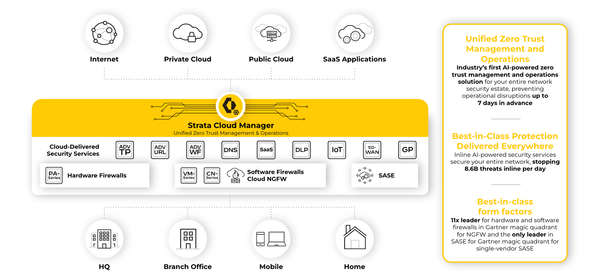
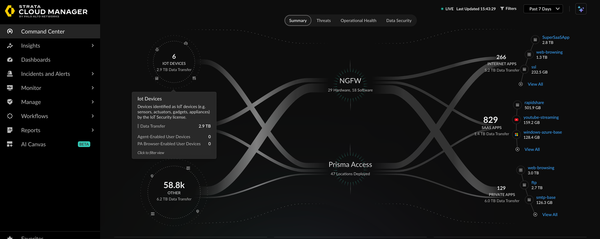
CyberSecurity Featured Mastering Policy Flexibility: Understanding Configuration Scope in Strata Cloud Manager (SCM) In today's dynamic security landscape, managing security policies across diverse environments – from physical firewalls in data centers to cloud-based instances and remote access users – demands a platform that offers both broad control and granular flexibility. Palo Alto Networks' Strata Cloud Manager (SCM) addresses this challenge with
CyberSecurity Unlocking the Power of Palo Alto Networks Cloud-Delivered Security Services As cybersecurity threats become more advanced and pervasive, traditional on-premise defences are no longer sufficient. Organisations need scalable, intelligent, and adaptive security solutions that keep up with today’s dynamic threat landscape. This is where Palo Alto Networks Cloud-Delivered Security Services (CDSS) come into play. Whether you'
Palo Alto Networks Strata Cloud Manager Device Onboarding In my last blog, I discussed SCM licensing and accessing the SCM tenant. Now we have the basics under our belts, I'm going to talk about device associations using Common Services. But first, let me explain what Common Services is and how its used. Palo Alto Networks Common
Palo Alto Networks Strata Cloud Manager Basics In my previous blog, "Why should enterprises consider Palo Alto Networks Strata Cloud Manager?" I gave compelling reasons enterprises may want to adopt Palo Alto Networks' cloud-delivered unified management and operations platform. Before we get into the technical details, it's important to understand the
CyberSecurity Featured Why should enterprises consider Palo Alto Networks Strata Cloud Manager? I’ve been working in the Network Security space for over 20 years now, and over that time I’ve worked with a plethora of different employers and customers, which means I’ve been exposed to a vast array of network security technologies. When I look back, I remember having
CyberSecurity Lets Gophish What Is Gophish? Gophish is a powerful, open-source phishing simulation tool that helps organisations strengthen their cybersecurity by testing how users respond to realistic phishing attacks. Designed to be user-friendly and highly customisable, Gophish is perfect for security teams looking to launch targeted phishing campaigns without relying on
CyberSecurity What Is DNS Hijacking? DNS hijacking, sometimes called DNS redirection, is a sneaky type of cyberattack where hackers mess with the Domain Name System (DNS) to secretly redirect your internet traffic. Instead of taking you to the website you intended to visit, they send you to a malicious site—often one that looks legitimate
CyberSecurity Featured DNS Security Attackers continue to innovative their techniques to evade security. For example Strategically Aged Domains are domains that are registered in advance. The domains are reserved and left dormant for months or even years before using them for attacking campaigns to bypass security vendor reputation checks. Sometimes, it will take longer
CyberSecurity Featured DNS Tunneling: A Hidden Pathway for Cyber Threats In the world of cybersecurity, attackers are always seeking creative ways to bypass traditional defenses. One such technique that often flies under the radar is DNS tunneling — a stealthy method of communication that leverages a fundamental part of the internet: the Domain Name System (DNS). While DNS is critical for
CyberSecurity Featured Who is Palo Alto Networks? Palo Alto Networks is a leading cybersecurity company that provides network security solutions to enterprises, service providers and government agencies around the globe. The company headquarters is located in Santa Clara California.